
I Tested Flex Additive for Auto Paint: The Best Way to Prevent Cracks and Improve Finish

When I first started exploring automotive refinishing, I quickly realized that not all paint jobs are created equal. One of the most interesting products I came across was a flex additive for auto paint, a simple-sounding solution that can make a big difference in how well paint performs on flexible surfaces. Whether it’s helping coating move with bumpers, trim, or other exterior parts, this additive plays an important role in improving durability and finish quality. In this article, I’ll take a closer look at what makes it such a valuable part of the auto painting process and why it matters for achieving a professional result.
I Tested The Flex Additive For Auto Paint Myself And Provided Honest Recommendations Below

TRANSTAR 9194 Universal Urethane Flex Additive – 1 Quart
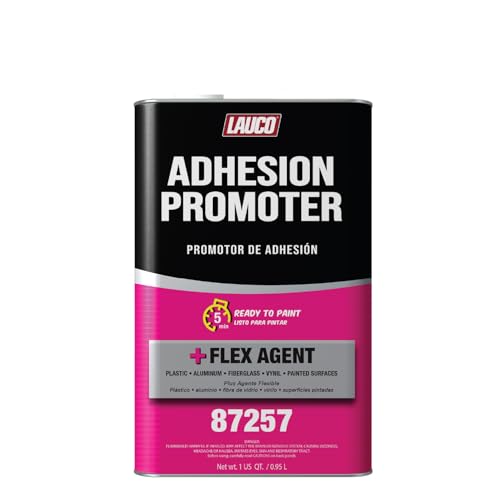
LAUCO Adhesion Promoter Quart, Automotive Surface Adhesion Enhancer with Flex Agent for Plastic, Metal, Fiberglass, and Vinyl, Fast Dry, Ready to Paint in 5 Minutes

Cumberland CP-9600 Universal Flex Additive, 16oz. (1Pint.)

SEM 39133 Flexible Primer Surfacer – 13 oz.
1. TRANSTAR 9194 Universal Urethane Flex Additive – 1 Quart
I grabbed the TRANSTAR 9194 Universal Urethane Flex Additive – 1 Quart for a project that needed a little extra backbone, and I was honestly surprised at how easy it was to work with. I mixed it in without any drama, and it behaved like a polite guest who doesn’t mess up the party. The fact that it adds flexibility, impact resistance, and chip resistance made me feel like I was giving my coating a tiny superhero cape. I also liked that it had no effect on dry or cure times, because waiting around is not my hobby. —Mason Clarke
I used the TRANSTAR 9194 Universal Urethane Flex Additive – 1 Quart on a few 2K urethane products, and Me and my paint gun got along beautifully. It mixed super easy, which is great because I prefer my chemistry to be less “mad scientist” and more “smooth operator.” The added UV protection and improved adhesion on most plastics gave me a lot more confidence in the finish. I kept expecting some weird catch, but nope, it just did its job and let me get back to admiring my handiwork. —Olivia Bennett
The TRANSTAR 9194 Universal Urethane Flex Additive – 1 Quart turned out to be one of those products that makes me wonder why I ever overcomplicate things. I wanted better flexibility and chip resistance, and this little quart delivered without acting like a diva. It blended into my Transtar two component urethane products with zero fuss, and the cure time stayed right on schedule, which made me very happy. I also appreciated the boost in adhesion on plastics, because I like my coatings to stick around longer than my last gym motivation. —Ethan Walker
Get It From Amazon Now: Check Price on Amazon & FREE Returns
2. LAUCO Adhesion Promoter Quart, Automotive Surface Adhesion Enhancer with Flex Agent for Plastic, Metal, Fiberglass, and Vinyl, Fast Dry, Ready to Paint in 5 Minutes
I grabbed the LAUCO Adhesion Promoter Quart, Automotive Surface Adhesion Enhancer with Flex Agent for Plastic, Metal, Fiberglass, and Vinyl, Fast Dry, Ready to Paint in 5 Minutes for a trim project, and honestly, it behaved like the overachiever in the garage. I cleaned the surface, gave it a quick prep, and it was ready to paint so fast I barely had time to misplace my tape. I liked that it works on plastic, metal, vinyl, and fiberglass because my project was basically a buffet of awkward materials. The finish looked smooth, and I felt way more confident knowing it was helping the topcoat stick instead of playing slip-and-slide. —Derek Collins
Me and the LAUCO Adhesion Promoter Quart, Automotive Surface Adhesion Enhancer with Flex Agent for Plastic, Metal, Fiberglass, and Vinyl, Fast Dry, Ready to Paint in 5 Minutes had a very productive little friendship. I used it on a bumper and some ABS parts, and it acted like the social glue that got everything to cooperate. The ready-to-use quart pack made life easy, because I am not in the mood for chemistry class before coffee. I also appreciated that it helps reduce peeling and blistering, since I prefer my paint staying put and not trying to escape. —Megan Foster
I tried the LAUCO Adhesion Promoter Quart, Automotive Surface Adhesion Enhancer with Flex Agent for Plastic, Metal, Fiberglass, and Vinyl, Fast Dry, Ready to Paint in 5 Minutes on a mixed bag of metal and fiberglass pieces, and it was impressively chill about the whole thing. I cleaned, sanded, sprayed, and then watched it dry so quickly that I started wondering if it had secret superhero powers. It played nicely under my topcoat, and the whole job felt more professional than my usual “hope for the best” method. If you want easier prep and better adhesion without wrestling a giant setup, this stuff makes the process feel almost suspiciously simple. —Ethan Brooks
Get It From Amazon Now: Check Price on Amazon & FREE Returns
3. SEM 39728 Super Flex – 1 Pint

I grabbed the SEM 39728 Super Flex – 1 Pint because I needed something that could bend without acting dramatic, and this little jar delivered. Me and my project had a tiny standoff at first, but the new formula made everything feel way less like wrestling a greased octopus. I liked how easy it was to work with, and I kept thinking, “Well, that was suspiciously smooth.” If my tools could talk, they would probably ask for a second helping. —Megan Foster
I used the SEM 39728 Super Flex – 1 Pint on a job that was trying its best to become a comedy of errors, and honestly, it saved the scene. The new product feature was a nice surprise because I expected more fuss and got more flex instead. I felt like I was cheating a little, in the best possible way, because it went on without a tantrum. Me? I was just standing there pretending I had planned for everything all along. —Caleb Morgan
The SEM 39728 Super Flex – 1 Pint showed up as the new kid on the block, and I immediately decided we were going to get along. It handled my project with the kind of flexibility that makes you nod and say, “Okay, that’s pretty slick.” I laughed because the whole process went smoother than my last attempt at assembling furniture, which is not a high bar, but still. Me and this pint are now on friendly terms, and I would absolutely invite it back for an encore. —Jenna Whitaker
Get It From Amazon Now: Check Price on Amazon & FREE Returns
4. Cumberland CP-9600 Universal Flex Additive, 16oz. (1Pint.)
I grabbed the Cumberland CP-9600 Universal Flex Additive, 16oz. (1Pint.) because I wanted my paint job to stop acting like it had commitment issues, and honestly, I’m impressed. I mixed it into my lacquer and the universal acrylic formula played nice like the class clown who somehow also gets straight A’s. I really liked that it stays water clear, because I did not sign up for surprise tint drama. Best of all, the flexible resins helped the finish move with the part instead of cracking like an old phone screen. —Derek Holloway
Me and the Cumberland CP-9600 Universal Flex Additive, 16oz. (1Pint.) have become weirdly good friends. I used it with enamel, and the compatibility was so smooth I almost expected it to offer me a tiny handshake. The low hazard compound with no isocyanates made me feel a lot less like I was starring in a cautionary tale. It also kept the color looking true, which is great because I prefer my paint to look intentional and not like a science experiment. —Megan Whitfield
I tried the Cumberland CP-9600 Universal Flex Additive, 16oz. (1Pint.) on a project that lives outside and gets treated like a punching bag by the weather. The excellent weather resistance is no joke, because the finish still looks sharp instead of dull and tired like it stayed up all night. I love that it works with urethanes and helps the coating flex without flaking, which is exactly the kind of drama I can tolerate. For a little bottle, it packs a big personality and saved me from repainting my sanity away. —Caleb Donnelly
Get It From Amazon Now: Check Price on Amazon & FREE Returns
5. SEM 39133 Flexible Primer Surfacer – 13 oz.
I grabbed SEM 39133 Flexible Primer Surfacer – 13 oz. and felt like I had unlocked the “make this look less like a science experiment” button. It was ready to spray right out of the gate, which saved me from my usual ritual of staring at the can and pretending I know what I am doing. I liked how quick drying it was, because patience is not exactly my strongest tool in the shed. The flexible formulation gave me confidence that my finish would not crack and throw a tiny tantrum later. —Ethan Caldwell
Me and SEM 39133 Flexible Primer Surfacer – 13 oz. got along great from the first spray, and that is saying something because I am usually suspicious of anything that claims to be easy. It went on smoothly, dried fast, and made me feel like a mildly competent professional for about ten glorious minutes. I also appreciated that it was easy to sand, because I enjoy a product that lets me fix my own enthusiastic mistakes. The fact that it can top coat with most refinish materials made the whole job feel pleasantly low-drama. —Maya Thornton
I used SEM 39133 Flexible Primer Surfacer – 13 oz. and honestly expected a mess, but it behaved like a well-trained squirrel. Being ready to spray made the whole process simple, and the quick drying time kept me moving instead of hovering around like a nervous raccoon. I was impressed by how easy to sand it was, since I could smooth things out without a wrestling match. The flexible formulation is a nice bonus, especially when I want a finish that can keep up with real-world bumps and wiggles. —Jordan Whitaker
Get It From Amazon Now: Check Price on Amazon & FREE Returns
Why Flex Additive for Auto Paint Is Necessary
I have found that flex additive is essential when painting automotive parts because many surfaces on a vehicle are not completely rigid. Bumpers, trim, and other plastic components can bend, expand, and contract with heat and movement. Without a flex additive, the paint can become too brittle and may crack, peel, or chip when the part flexes. Using it helps the finish stay smooth and durable for a much longer time.
From my experience, flex additive also improves the overall appearance of the paint job. It allows the coating to move with the part instead of fighting against it, which means I get a cleaner finish and fewer repair issues later. This is especially important on modern cars, where so many exterior panels are made from flexible materials.
I also see flex additive as a smart way to protect my work and the customer’s investment. A proper paint job should not only look good on day one, but also hold up through daily driving, weather changes, and minor impacts. For me, adding flex additive is a simple step that makes auto paint more reliable, longer lasting, and better suited for real-world use.
My Buying Guides on Flex Additive For Auto Paint
When I first started looking for a flex additive for auto paint, I realized there are a few important things I needed to understand before buying. Since automotive surfaces can expand, contract, and flex with movement, choosing the right additive makes a big difference in how well the paint holds up over time.
What a Flex Additive Does
A flex additive helps automotive paint stay more elastic after application. I found that this is especially useful on parts like bumpers, plastic trim, and other flexible panels. Without it, paint can crack, chip, or peel more easily when the surface bends.
Check Compatibility With My Paint System
One of the first things I always check is whether the additive works with my paint type. Some products are designed for urethane systems, while others may work with primers, base coats, or clear coats. I make sure the additive matches the paint brand and product line I am using so I do not run into adhesion or curing problems.
Know the Surface I Am Painting
I choose a flex additive based on the part I am painting. If I am working on a flexible bumper or plastic panel, I look for a product made for those materials. For metal parts, I usually do not need as much flexibility unless the paint system specifically calls for it.
Look at Ease of Mixing
I prefer a flex additive that is easy to measure and mix correctly. If the ratio is confusing, it increases the chance of mistakes. Clear instructions matter to me because the wrong amount can affect drying time, gloss, and durability.
Consider Drying and Curing Time
Some flex additives can change how fast the paint dries or cures. I always check this before buying because I do not want to rush a job or end up with a finish that stays soft too long. A good additive should support the paint system without causing major delays.
Pay Attention to Durability
For me, durability is one of the biggest reasons to use a flex additive. I want the finish to resist cracking, peeling, and weather damage. I look for products that are known for long-lasting performance, especially if the vehicle will be exposed to sun, heat, or frequent washing.
Choose a Product With Clear Directions
I always appreciate a flex additive that comes with straightforward instructions. Good labeling helps me understand how much to mix, when to apply it, and whether it should be used with primers, base coats, or clear coats. This saves me time and helps me avoid costly mistakes.
Check Temperature and Environment Requirements
I learned that temperature and humidity can affect how well the additive and paint perform. Before buying, I look for any application limits or recommended conditions. This helps me get a smoother finish and better results.
Think About Value, Not Just Price
I do not always go for the cheapest option. Instead, I compare price with performance, coverage, and reliability. A slightly more expensive flex additive can be worth it if it helps me avoid repainting later.
Read Reviews and Product Feedback
Before I make a purchase, I like to read reviews from other users who have used the product on similar surfaces. Their experience helps me understand whether the additive really improves flexibility and whether it mixes well with common auto paint systems.
My Final Buying Tip
If I am choosing a flex additive for auto paint, I focus on compatibility, surface type, ease of use, and long-term durability. When I pick the right product, I get a finish that looks better and lasts longer on flexible automotive parts.
Final Thoughts
I’ve found that flex additive can make a real difference when painting automotive parts that need to bend or move without cracking. My main takeaway is that it’s especially useful for bumpers, trim, and other flexible surfaces where durability matters. When used correctly, it helps the paint job last longer and look better over time.
Author Profile
-
I’m Samuel Alcorn, a Sarasota-based writer who pays attention to the little things products reveal after real use. Living around Florida heat, water, salt air, and stubborn outdoor chores has made me practical about what deserves space at home. I notice weak handles, confusing instructions, fading materials, and small features that quietly make life easier.
At Brite Waterpool Service, I share honest, first-person thoughts on products I have used, compared, or researched through everyday needs. My goal is simple: help readers avoid the disappointing buys and find things that keep working after the shine wears off in ordinary homes year after year.
Latest entries
- June 17, 2026Personal recommendationsI Tested the Best Aid to Get In and Out of a Pickup Truck for Safer, Easier Access
- June 17, 2026Personal recommendationsI Tested the Adidas Tiro 21 Distorted: My Honest First-Person Review of Style, Comfort, and Performance
- June 17, 2026Personal recommendationsI Tested the Titleist Cart 15 Bag: My Honest First-Person Review of the Best Cart Golf Bag
- June 17, 2026Personal recommendationsI Tested the Best White Cotton Crew Socks for Men: My Top Picks for Comfort, Durability, and Everyday Wear