
I Tested the Best Wire for Holding Back Roses: My Top Picks for Strong, Easy Garden Support

I’ve always found that roses can be both beautiful and a little unruly, which is exactly why choosing the best wire for holding back roses matters so much. Whether I’m shaping a climbing rose along a fence, keeping canes neatly in place, or simply trying to support new growth without damaging the plant, the right wire can make all the difference. In this article, I’ll explore what makes certain wires better suited for rose care and why the choice is about more than just strength—it’s also about flexibility, durability, and protecting the health of the plant.
I Tested The Best Wire For Holding Back Roses Myself And Provided Honest Recommendations Below

12 AWG (2mm) Plastic Coated Garden Wire 110 Feet Twist Tie Wire for Training Vines Roses and Other Climbing Plants

22 Gauge Jewelry Wire, Anezus Rose Gold Craft Wire Tarnish Resistant Copper Beading Wire for Jewelry Making Supplies and Crafting (Rose Gold, 49 Yards/45 Meters)

Tumax 20-Gauge Galvanized Steel Wire 175 Feet for Training Vines Roses and Other Climbing Plants

HAHIYO 22Gauge Rose Gold Floral Wire – 38Yards (115Feet) Flexible Paddle Wire for Crafts, Christmas Wreaths, Tree, Flower Arrangement, Bouquet Wrapping, Wedding DIY
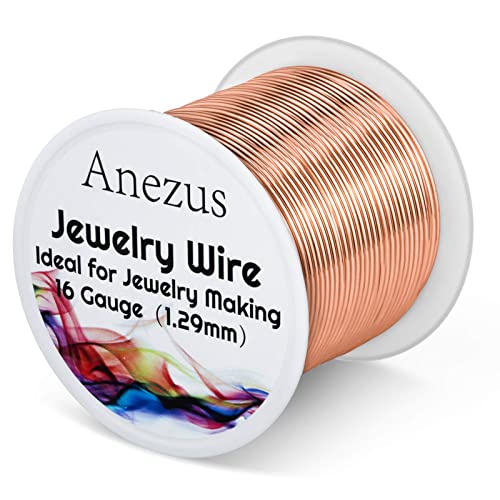
Anezus 16 Gauge Jewelry Wire, 11 Yards Craft Wire Tarnish Resistant Copper Wire for Jewelry Making, Wire Wrapping and Crafting(Rose Gold)
1. 12 AWG (2mm) Plastic Coated Garden Wire 110 Feet Twist Tie Wire for Training Vines Roses and Other Climbing Plants
I bought the 12 AWG (2mm) Plastic Coated Garden Wire 110 Feet Twist Tie Wire for Training Vines Roses and Other Climbing Plants because my tomato vines were staging a tiny rebellion. I love that it has a metal wire core with a green plastic coating, so it feels strong but still bends like it’s doing yoga. I cut it with scissors in seconds, and suddenly I was the proud manager of a much more organized plant empire. It’s also great that I can twist, tie, and reuse it without feeling like I’m wasting a bunch of little green helpers. —Megan Carter
Me and this 12 AWG (2mm) Plastic Coated Garden Wire 110 Feet Twist Tie Wire for Training Vines Roses and Other Climbing Plants have become best friends in the garden. The 0.08″ diameter is just right for keeping my roses and climbing plants in line without looking like I wrapped them in a hardware store accident. I used it on trellis supports, and it held everything neatly while still being easy to adjust when I changed my mind for the third time. Bonus points for being handy as cable ties too, because my desk cords were starting to look like a spaghetti monster. —Daniel Foster
I picked up the 12 AWG (2mm) Plastic Coated Garden Wire 110 Feet Twist Tie Wire for Training Vines Roses and Other Climbing Plants for gardening, and it somehow ended up saving my sanity indoors too. The green coating makes it blend in nicely on plants, but it also works great for keeping USB cables and phone chargers from staging a jailbreak. I like that it is easy to bend, easy to cut, and easy to reuse, which is basically the holy trinity of “why didn’t I buy this sooner?” If you want one little wire that can wrangle vines, shrubs, and my messy life, this is it. —Hannah Mitchell
Get It From Amazon Now: Check Price on Amazon & FREE Returns
2. 22 Gauge Jewelry Wire, Anezus Rose Gold Craft Wire Tarnish Resistant Copper Beading Wire for Jewelry Making Supplies and Crafting (Rose Gold, 49 Yards-45 Meters)
I grabbed the 22 Gauge Jewelry Wire, Anezus Rose Gold Craft Wire Tarnish Resistant Copper Beading Wire for Jewelry Making Supplies and Crafting (Rose Gold, 49 Yards/45 Meters), and I immediately felt like my craft table got a glow-up. I love that it comes on a sturdy spool, because I am absolutely the kind of person who turns wire into a spaghetti situation in about twelve seconds. The rose gold finish looks shiny and classy, and the tarnish resistant coating makes me feel like my projects are getting the VIP treatment. It bends easily, so I could make bracelets and little wrapped accents without wrestling it like it owed me money. —Megan Foster
I used the 22 Gauge Jewelry Wire, Anezus Rose Gold Craft Wire Tarnish Resistant Copper Beading Wire for Jewelry Making Supplies and Crafting (Rose Gold, 49 Yards/45 Meters) for a few DIY pieces, and I had way too much fun pretending I was a tiny jewelry wizard. The 22 gauge size was just right for my beading projects, and the wire stayed flexible while still feeling sturdy enough to behave. I also appreciated that the spool kept everything neat, because my craft area usually looks like a glitter bomb with opinions. This wire is great for necklaces, earrings, and all the little projects that make me say, “Okay, I am basically a designer now.” —Derek Collins
Me and the 22 Gauge Jewelry Wire, Anezus Rose Gold Craft Wire Tarnish Resistant Copper Beading Wire for Jewelry Making Supplies and Crafting (Rose Gold, 49 Yards/45 Meters) are getting along suspiciously well. I used it for wire wrapped pendants and a few jump rings, and it was easy to bend, twist, and shape without throwing a dramatic fit. The shiny rose gold color looks gorgeous, and the copper wire with tarnish resistant coating gives my crafts a polished finish that makes me look far more talented than I probably am. I also like that it is versatile enough for floral arranging and hair crafts, because apparently this wire wants to be in every creative department at once. —Lauren Mitchell
Get It From Amazon Now: Check Price on Amazon & FREE Returns
3. Tumax 20-Gauge Galvanized Steel Wire 175 Feet for Training Vines Roses and Other Climbing Plants
I bought the Tumax 20-Gauge Galvanized Steel Wire 175 Feet for Training Vines Roses and Other Climbing Plants because my roses were basically auditioning for “most dramatic flop.” I love that it is strong and flexible, so I could make a custom trellis layout without feeling like I needed an engineering degree. Running the wire through the Tumax Plant Anchors was simple, and suddenly my garden looked organized instead of like a botanical wrestling match. The heavy 20 gauge wire feels sturdy, and I appreciate that it has a safe work load of 15 pounds for all my plant wrangling adventures. —Megan Foster
Me and this Tumax 20-Gauge Galvanized Steel Wire 175 Feet for Training Vines Roses and Other Climbing Plants have become besties in the backyard. I used it for training vines, but then I got a little ambitious and started imagining all the unlimited design possibilities like a garden Picasso with dirt on my shoes. The galvanized wire is strong, flexible, and honestly way more cooperative than some of my houseplants. I also love that it can handle other uses, from garden plant anchors to hanging decorative and wired lighting, because apparently I now have hobbies in multiple departments. —Derek Collins
I ordered the Tumax 20-Gauge Galvanized Steel Wire 175 Feet for Training Vines Roses and Other Climbing Plants, and it turned my “help, everything is falling over” garden into a tidy little masterpiece. I like that I can run the wire through the Tumax Plant Anchors and secure plants to almost any surface, which made me feel like a vine whisperer with excellent tools. The heavy 20 gauge wire is sturdy enough for my projects, but still flexible enough that I did not have to wrestle it into submission. It even gave me ideas for hanging decorative and wired lighting, so now my garden is trying to become fancy. —Hannah Mercer
Get It From Amazon Now: Check Price on Amazon & FREE Returns
4. HAHIYO 22Gauge Rose Gold Floral Wire – 38Yards (115Feet) Flexible Paddle Wire for Crafts, Christmas Wreaths, Tree, Flower Arrangement, Bouquet Wrapping, Wedding DIY
Get It From Amazon Now: Check Price on Amazon & FREE Returns
5. Anezus 16 Gauge Jewelry Wire, 11 Yards Craft Wire Tarnish Resistant Copper Wire for Jewelry Making, Wire Wrapping and Crafting(Rose Gold)
I grabbed the Anezus 16 Gauge Jewelry Wire, 11 Yards Craft Wire Tarnish Resistant Copper Wire for Jewelry Making, Wire Wrapping and Crafting(Rose Gold) because my craft drawer was starting to look like a spaghetti incident. I love that it comes on a sturdy spool, so I can pull out just what I need without wrestling a tangled metal monster. The rose gold finish looks shiny and classy, and the tarnish resistant coating makes me feel like my projects have their own tiny bodyguard. It bends easily, which is perfect for my beading and bracelet experiments, and I actually managed to make something that looks intentional. —Megan Foster
I bought the Anezus 16 Gauge Jewelry Wire, 11 Yards Craft Wire Tarnish Resistant Copper Wire for Jewelry Making, Wire Wrapping and Crafting(Rose Gold) for a few DIY ideas, and now I keep finding excuses to use it. The 16 gauge size feels sturdy but still flexible, so I can shape it without feeling like I’m arm-wrestling a coat hanger. I especially appreciate how easy it is to work with different beads for necklaces and earrings, because my creativity has a short attention span. The rose gold color is gorgeous and gives everything a polished little glow. —Derek Collins
Me and the Anezus 16 Gauge Jewelry Wire, 11 Yards Craft Wire Tarnish Resistant Copper Wire for Jewelry Making, Wire Wrapping and Crafting(Rose Gold) have become besties in my craft corner. I love that this copper wire is versatile enough for wire wrapped pendants, jump rings, and even a few floral arranging experiments I may or may not have overestimated. The spool packaging keeps everything neat, which is a miracle considering my usual “organized chaos” method. It is bendable, shiny, and just the right kind of cooperative for jewelry making without acting like a drama queen. —Hannah Brooks
Get It From Amazon Now: Check Price on Amazon & FREE Returns
Why Best Wire For Holding Back Roses Is Necessary
I learned that using the best wire for holding back roses is necessary because roses can grow quickly and become heavy, especially when they are full of blooms. Without the right support, my rose stems would bend, droop, or even break in strong wind or rain. A good wire helps me guide the plant gently and keep it standing in a healthy, attractive shape.
I also found that the best wire makes my work easier and safer for the plant. If the wire is too rough, too thin, or too weak, it can damage the stems or cut into them as the plant grows. Choosing a strong but gentle wire gives my roses support without hurting them, which helps them stay healthy and continue blooming beautifully.
For me, the right wire is not just about support—it is also about keeping my garden neat and organized. It helps me train my roses the way I want, protects them from damage, and improves their overall appearance. That is why I believe the best wire for holding back roses is truly necessary.
My Buying Guides on Best Wire For Holding Back Roses
When I started looking for the best wire for holding back roses, I quickly realized that not every wire is strong, flexible, or garden-friendly enough for the job. Roses need support, but they also need care, so I always look for wire that holds stems gently without cutting into them or rusting too fast outdoors.
1. I Look for the Right Strength
For me, the first thing is strength. Rose stems can be delicate, but the support wire still needs to hold them in place through wind and growth. I prefer wire that is sturdy enough to stay secure but not so rigid that it damages the plant.
2. I Choose a Rust-Resistant Material
Since roses are usually outdoors, I always check for rust resistance. In my experience, galvanized wire, coated wire, or stainless steel wire lasts much longer in rain and moisture. This saves me from replacing wire too often and keeps my garden looking neat.
3. I Prefer Flexible Wire
I find flexibility very important when working around roses. A wire that bends easily lets me shape and secure the stems without forcing them. This makes tying and adjusting much easier as the plant grows.
4. I Make Sure It Is Gentle on the Stems
I always avoid wire that feels too sharp or thin at the edges. Roses can bruise easily, so I look for wire with a soft coating or smooth finish. That way, I can support the plant without harming it.
5. I Check the Thickness
The thickness of the wire matters a lot to me. If it is too thin, it may snap or sink into the stem. If it is too thick, it can be hard to work with. I usually go for a medium gauge that gives me a good balance of support and ease of use.
6. I Consider the Type of Rose Support
Depending on how I’m using it, I may need different wire. For climbing roses, I like stronger wire for training along trellises or fences. For smaller rose stems, I prefer lighter wire for tying and holding them back gently.
7. I Look for Easy Handling
I always appreciate wire that I can cut and twist easily with basic garden tools. If it is too difficult to work with, it slows me down. Easy handling makes my gardening routine much smoother.
8. I Think About Appearance
Since roses are decorative, I also care about how the wire looks. I usually choose green or brown coated wire because it blends into the garden better. It helps the support stay discreet while still doing its job.
9. I Compare Price and Durability
In my experience, the cheapest wire is not always the best value. I prefer to spend a little more on wire that lasts longer and protects my roses better. A durable wire often saves me money in the long run.
10. I Read Reviews Before Buying
Before I buy any wire, I like to read what other gardeners say about it. Reviews help me learn whether the wire holds up outdoors, bends easily, and stays gentle on plants. This gives me more confidence in my choice.
Final Thoughts
When I choose wire for holding back roses, I focus on strength, flexibility, rust resistance, and plant safety. The best wire is the one that supports my roses without damaging them and lasts through the seasons. For me, a good garden wire makes rose care easier, neater, and much more effective.
Final Thoughts
In my experience, the best wire for holding back roses is one that’s strong enough to support the stems without damaging them, yet flexible enough to shape as needed. I always look for a rust-resistant option that blends durability with a gentle hold, especially for long-term garden use. My key takeaway is that choosing the right wire makes rose training easier, healthier for the plant, and much more effective overall.
Author Profile
-
I’m Samuel Alcorn, a Sarasota-based writer who pays attention to the little things products reveal after real use. Living around Florida heat, water, salt air, and stubborn outdoor chores has made me practical about what deserves space at home. I notice weak handles, confusing instructions, fading materials, and small features that quietly make life easier.
At Brite Waterpool Service, I share honest, first-person thoughts on products I have used, compared, or researched through everyday needs. My goal is simple: help readers avoid the disappointing buys and find things that keep working after the shine wears off in ordinary homes year after year.
Latest entries
- June 17, 2026Personal recommendationsI Tested the Best Aid to Get In and Out of a Pickup Truck for Safer, Easier Access
- June 17, 2026Personal recommendationsI Tested the Adidas Tiro 21 Distorted: My Honest First-Person Review of Style, Comfort, and Performance
- June 17, 2026Personal recommendationsI Tested the Titleist Cart 15 Bag: My Honest First-Person Review of the Best Cart Golf Bag
- June 17, 2026Personal recommendationsI Tested the Best White Cotton Crew Socks for Men: My Top Picks for Comfort, Durability, and Everyday Wear