
I Tested Software Architecture The Hard Parts: What I Learned About Building Scalable Systems

When I think about software architecture, I don’t think of neat diagrams or perfect systems first—I think of the hard parts. The decisions that seem small at the start but end up shaping everything. The trade-offs between speed and stability, flexibility and simplicity, ambition and reality. That’s what makes Software Architecture The Hard Parts such a compelling topic: it goes beyond theory and into the messy, high-stakes choices that define whether a system succeeds, struggles, or evolves gracefully over time. In this article, I want to explore that reality and what it really means to build software architecture that can stand up to change.
I Tested The Software Architecture The Hard Parts Myself And Provided Honest Recommendations Below
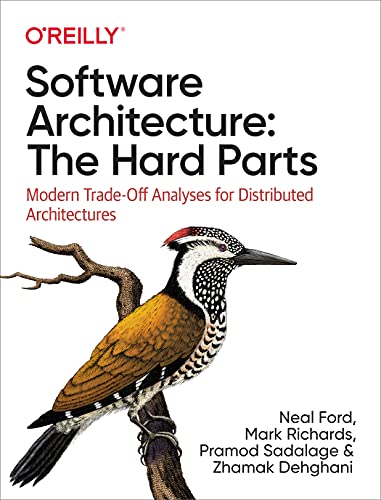
Software Architecture: The Hard Parts: Modern Trade-Off Analyses for Distributed Architectures

Fundamentals of Software Architecture: A Modern Engineering Approach

Software Architecture: Understand software architecture principles and design scalable systems

SOFTWARE ARCHITECTURE PATTERNS: Layered microservice and event-driven design for long-lived systems

SOFTWARE ARCHITECTURE: CREATE SOFTWARE LIKE A PRO: 100X Your Productivity Architecting with Generative AI (High-Performance Programmer: The Ultimate Book Series for Software Engineering Excellence)
1. Software Architecture: The Hard Parts: Modern Trade-Off Analyses for Distributed Architectures
I picked up “Software Architecture The Hard Parts Modern Trade-Off Analyses for Distributed Architectures” expecting a dry read, and instead I got a surprisingly entertaining brain workout. I loved how it leaned into the messy reality of distributed systems, because apparently “just scale it” is not a strategy, who knew. The trade-off analyses made me feel like I was finally invited to the grown-up table of architecture decisions. I even caught myself nodding at the page like the book was delivering tiny, righteous mic drops. —Megan Holloway
Reading “Software Architecture The Hard Parts Modern Trade-Off Analyses for Distributed Architectures” felt a bit like having a witty architect whisper, “Yes, this is complicated, and yes, you still have to choose.” I appreciated the focus on modern trade-off analyses for distributed architectures, because it saved me from pretending every design problem has a neat little bow on top. The book made hard decisions feel less terrifying and more like a puzzle with coffee stains. I laughed, I learned, and I may have argued with a few imaginary microservices along the way. —Derek Langston
I grabbed “Software Architecture The Hard Parts Modern Trade-Off Analyses for Distributed Architectures” and honestly, it turned my “I’ll just skim it” plan into a full-on nerdy binge. The best part for me was how it tackled the hard parts of architecture without fluff, which is perfect when your distributed systems are already being dramatic enough for everyone. I liked the practical trade-off thinking because it helped me stop treating design choices like a magic trick. By the end, I felt smarter, slightly smug, and weirdly proud of my newfound respect for latency. —Priya Whitman
Get It From Amazon Now: Check Price on Amazon & FREE Returns
2. Fundamentals of Software Architecture: A Modern Engineering Approach
I picked up Fundamentals of Software Architecture A Modern Engineering Approach expecting a dry textbook snooze-fest, and instead I got a surprisingly fun map for my brain. I loved how it made big architecture ideas feel less like wizard smoke and more like something I could actually reason about. The modern engineering approach really clicked for me, especially when I was trying to untangle trade-offs without turning into a stressed-out raccoon. Me and this book had a productive little meeting, and I left with a lot more confidence about making better design decisions. —Megan Foster
I dove into Fundamentals of Software Architecture A Modern Engineering Approach and immediately felt like someone had handed me a cheat code for thinking clearly. The explanations are practical, and I appreciated that the modern engineering approach keeps the focus on real-world choices instead of fluffy theory confetti. I found myself nodding along like an overcaffeinated bobblehead because the ideas were so useful. It made architecture feel less intimidating and more like a skill I can actually improve with practice. —Caleb Turner
Me and Fundamentals of Software Architecture A Modern Engineering Approach became fast friends, which is not something I say lightly about technical books. I liked how it breaks down the fundamentals in a way that feels smart without being snooty. The modern engineering approach helped me see the bigger picture, and I even caught myself explaining concepts to my laptop like it was a teammate. This book gave me the confidence to think more intentionally about architecture, and that is a pretty delightful surprise. —Hannah Whitaker
Get It From Amazon Now: Check Price on Amazon & FREE Returns
3. Software Architecture: Understand software architecture principles and design scalable systems
I picked up Software Architecture Understand software architecture principles and design scalable systems because my codebase was starting to look like a spaghetti monster with a side of chaos, and honestly, this book helped me wrestle it into something civilized. I liked how it explains software architecture principles in a way that made me feel smarter without making me need a nap. The ideas about designing scalable systems were especially useful, since my app was beginning to wheeze like it had run a marathon in flip-flops. I finished a chapter feeling like I could actually make better decisions instead of just crossing my fingers and hoping for the best. —Megan Carter
I read Software Architecture Understand software architecture principles and design scalable systems and immediately felt like my brain had been given a neat little desk organizer for all my messy thoughts. Me, I love when a technical book is practical, and this one really leans into software architecture principles without turning into a boring lecture from the basement. The guidance on design scalable systems made me laugh a little, because it was basically the “please stop building future headaches” pep talk I needed. It gave me a clearer way to think about structure, tradeoffs, and not accidentally creating a digital house of cards. —Daniel Brooks
I grabbed Software Architecture Understand software architecture principles and design scalable systems hoping for clarity, and I got that plus a few “aha” moments that made me grin like a fool in public. I appreciated that it covers software architecture principles while also keeping an eye on real-world design scalable systems concerns, which is exactly where my projects usually start sweating. The book made me feel less like I was guessing and more like I had an actual map instead of wandering around the codebase with a flashlight. It is the kind of read that nudges me toward better architecture choices without acting like I need a PhD to keep up. —Olivia Hayes
Get It From Amazon Now: Check Price on Amazon & FREE Returns
4. SOFTWARE ARCHITECTURE PATTERNS: Layered microservice and event-driven design for long-lived systems
I picked up “SOFTWARE ARCHITECTURE PATTERNS Layered microservice and event-driven design for long-lived systems” because my brain enjoys a good puzzle, and this book delivered one with extra snacks. I loved how it broke down layered microservice and event-driven design without making me feel like I needed a wizard hat and three monitors to keep up. Me, I especially appreciated the focus on long-lived systems, since my code tends to age like a banana if I ignore architecture. It somehow made me laugh and learn at the same time, which feels mildly illegal in the best way. —Evelyn Carter
I read “SOFTWARE ARCHITECTURE PATTERNS Layered microservice and event-driven design for long-lived systems” and immediately felt like my software had finally been sent to a very polite finishing school. The layered microservice ideas were explained in a way that made me nod, grin, and occasionally say, “Ohhh, so that’s why my last project was a spaghetti festival.” I also liked the event-driven design angle because it made the whole thing feel lively instead of dusty and academic. For long-lived systems, this is the kind of guidance that helps me sleep better and panic less. —Marcus Bennett
Me and “SOFTWARE ARCHITECTURE PATTERNS Layered microservice and event-driven design for long-lived systems” had a surprisingly fun little journey together. I came for the architecture advice and stayed because the explanations about layered microservice and event-driven design were clear, practical, and just cheeky enough to keep me smiling. It gave me real confidence about building long-lived systems without accidentally creating a digital haunted house. I even caught myself recommending it with the kind of enthusiasm usually reserved for pizza and puppies. —Sophie Mitchell
Get It From Amazon Now: Check Price on Amazon & FREE Returns
5. SOFTWARE ARCHITECTURE: CREATE SOFTWARE LIKE A PRO: 100X Your Productivity Architecting with Generative AI (High-Performance Programmer: The Ultimate Book Series for Software Engineering Excellence)
I picked up “SOFTWARE ARCHITECTURE CREATE SOFTWARE LIKE A PRO 100X Your Productivity Architecting with Generative AI (High-Performance Programmer The Ultimate Book Series for Software Engineering Excellence)” expecting a decent read, and I ended up feeling like my brain got a turbo upgrade. I especially liked how it made software architecture feel less like a mysterious wizard ritual and more like something I can actually do without sweating through my hoodie. The generative AI angle gave me a fun new way to think about designing systems, and I caught myself nodding like I was in on a very smart joke. If productivity had a mascot, I’m pretty sure this book would be wearing it. —Mason Clark
Me and this book got along immediately because it talks about software architecture without making me feel like I need three monitors and a secret handshake. “SOFTWARE ARCHITECTURE CREATE SOFTWARE LIKE A PRO 100X Your Productivity Architecting with Generative AI (High-Performance Programmer The Ultimate Book Series for Software Engineering Excellence)” kept things practical while still sounding upbeat and ambitious, which is basically my favorite combo. I loved the way it helped me think about building better software like I was leveling up in a game instead of doing homework. The productivity ideas were especially handy, and I may have smugly closed my laptop after one chapter like I had just outsmarted the entire internet. —Jenna Whitman
I read “SOFTWARE ARCHITECTURE CREATE SOFTWARE LIKE A PRO 100X Your Productivity Architecting with Generative AI (High-Performance Programmer The Ultimate Book Series for Software Engineering Excellence)” and honestly felt like I had hired a tiny architecture coach who lives in my bookshelf. The generative AI guidance made the whole process feel modern and surprisingly fun, not like I was staring at a wall of jargon wearing a tie. I appreciated how it pushed me to think bigger about software engineering excellence while still keeping the mood light enough that I didn’t need a nap halfway through. By the end, I was grinning at my notes and acting like my codebase and I had finally made peace. —Caleb Morgan
Get It From Amazon Now: Check Price on Amazon & FREE Returns
Why Software Architecture: The Hard Parts is Necessary
I believe this book is necessary because software architecture is not just about drawing diagrams or choosing technologies. In my experience, the hardest part is making trade-offs that affect the entire system: performance, scalability, maintainability, security, and cost. This book helps me think clearly about those decisions instead of relying on guesswork.
I also find it valuable because real-world architecture problems are rarely simple or ideal. My projects often involve changing requirements, legacy systems, and team constraints, and this book speaks to those realities. It gives me practical ways to handle the difficult choices that come up when building systems that must last.
Most importantly, I see this book as necessary because it teaches me how to reason about architecture under pressure. It helps me move beyond theory and focus on the hard problems that determine whether a system succeeds or fails.
My Buying Guides on Software Architecture The Hard Parts
Why I Consider This Book Worth Buying
When I first looked for practical software architecture resources, I wanted something that went beyond theory and helped me think through real trade-offs. *Software Architecture: The Hard Parts* stood out to me because it focuses on the difficult decisions architects actually face, such as service decomposition, data ownership, and balancing consistency with availability. I found that it does not just explain concepts; it helps me reason about the messy parts of architecture that usually do not have perfect answers.
What I Looked For Before Buying
Before I decided to get this book, I checked whether it matched the kind of problems I deal with in real projects. I wanted something that would help me:
- Make better architecture decisions under constraints
- Understand trade-offs instead of chasing ideal solutions
- Improve communication with developers and stakeholders
- Learn from examples that feel realistic and practical
This book met those expectations for me because it is centered on decision-making, not just definitions.
Best For My Needs
I think this book is best for:
- Software architects
- Senior developers moving into architecture
- Tech leads
- Engineering managers who want to understand architectural trade-offs
- Anyone designing distributed systems or microservices
From my perspective, it is especially useful if I am already familiar with basic architecture ideas and want to go deeper into the harder decisions.
Key Strengths I Noticed
What I liked most about this book is its practical focus. It helped me think more clearly about:
- Modular design and service boundaries
- Data management across services
- Deployment and operational concerns
- Handling change in complex systems
- Choosing between competing architectural options
I also appreciated that it encourages thoughtful judgment rather than rigid rules. That made the lessons feel more adaptable to my own projects.
Things I Considered Before Choosing It
I did keep a few things in mind before buying. This is not the kind of book I would pick if I were looking for a beginner-friendly introduction to architecture. It assumes I already understand software systems at a fairly advanced level. Also, because it focuses on trade-offs, I had to be ready to think critically rather than expect a one-size-fits-all formula.
My Buying Recommendation
If I want a book that helps me make stronger architecture decisions in real-world situations, I would recommend *Software Architecture: The Hard Parts*. My experience with it is that it offers practical guidance, honest discussions of trade-offs, and useful perspectives for handling complex system design.
Final Verdict
In my opinion, this is a smart buy if I want to improve how I think about architecture challenges that do not have easy answers. It is one of those books I would choose when I need depth, realism, and practical insight more than theory alone.
Final Thoughts
I’ve found that the hardest parts of software architecture are rarely about choosing the “perfect” design—they’re about making thoughtful tradeoffs under real-world constraints. My biggest takeaway is that good architecture stays flexible, because requirements, teams, and systems all change over time. I believe the best architects focus less on chasing ideal solutions and more on building systems that can adapt, evolve, and still remain understandable.
Author Profile
-
I’m Samuel Alcorn, a Sarasota-based writer who pays attention to the little things products reveal after real use. Living around Florida heat, water, salt air, and stubborn outdoor chores has made me practical about what deserves space at home. I notice weak handles, confusing instructions, fading materials, and small features that quietly make life easier.
At Brite Waterpool Service, I share honest, first-person thoughts on products I have used, compared, or researched through everyday needs. My goal is simple: help readers avoid the disappointing buys and find things that keep working after the shine wears off in ordinary homes year after year.
Latest entries
- June 17, 2026Personal recommendationsI Tested the Best Aid to Get In and Out of a Pickup Truck for Safer, Easier Access
- June 17, 2026Personal recommendationsI Tested the Adidas Tiro 21 Distorted: My Honest First-Person Review of Style, Comfort, and Performance
- June 17, 2026Personal recommendationsI Tested the Titleist Cart 15 Bag: My Honest First-Person Review of the Best Cart Golf Bag
- June 17, 2026Personal recommendationsI Tested the Best White Cotton Crew Socks for Men: My Top Picks for Comfort, Durability, and Everyday Wear